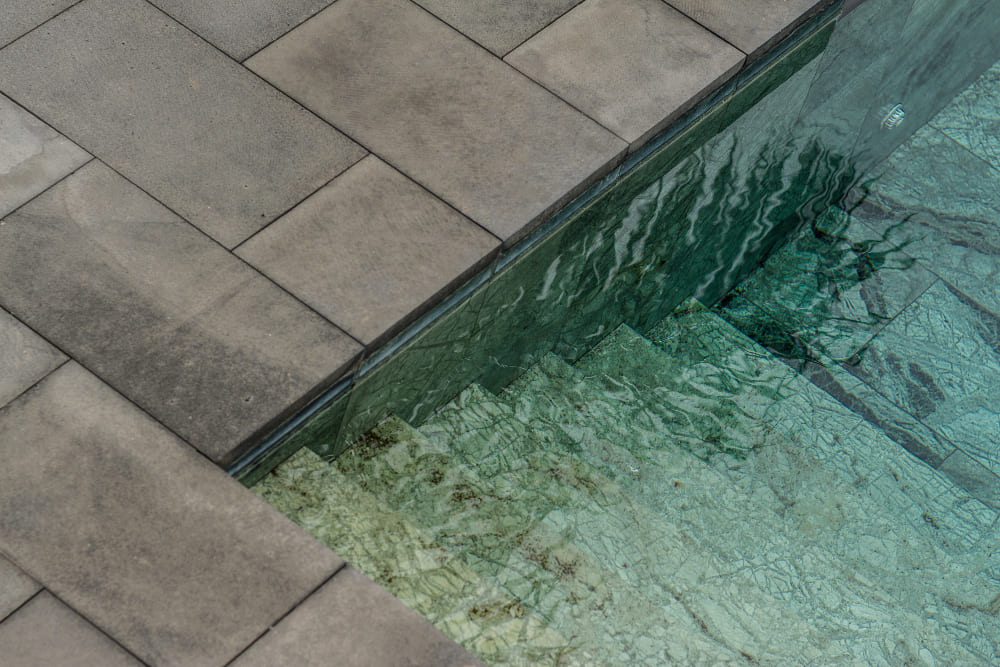
What Is Pool Deck Resurfacing?
Pool deck resurfacing is the process of restoring the surface layer of an existing concrete deck without replacing the entire structure. It involves repairing minor surface damage and applying a new coating or overlay system to improve durability, safety, and appearance.
This solution is typically used when the underlying concrete is structurally sound but shows signs of wear due to environmental exposure.
When Is Pool Deck Resurfacing the Right Solution and When It Isn’t?
Resurfacing is effective under specific conditions, but it is not suitable for all types of damage.
Resurfacing is appropriate when:
- Surface cracks are minor and non-structural
- The deck shows wear, discoloration, or UV damage
- Slip or heat issues may improve with the right system
- The concrete substrate remains stable
Resurfacing is NOT appropriate when:
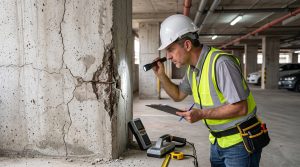
- Structural cracks are present
- There is movement, settlement, or uneven sections
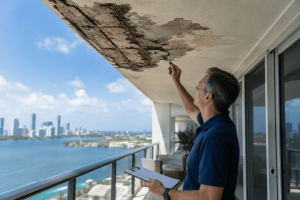
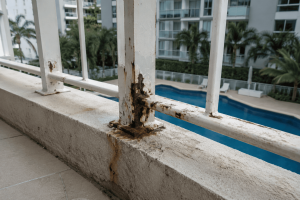
- Reinforcement corrosion is causing spalling
- Trapped moisture or water damage has affected the concrete
In these cases, structural repair must be addressed before any resurfacing system is applied.
Common Pool Deck Problems in Florida
Florida’s climate creates conditions that accelerate surface deterioration:
- UV exposure: Breaks down coatings and fades surfaces
- Moisture and humidity: Can weaken coating adhesion and promote surface damage
- Salt air (coastal areas): Accelerates corrosion in reinforced concrete
- Thermal movement: Can contribute to cracks when joints or repairs fail
- Chemical exposure: Pool chemicals degrade surface materials
These factors make proper system selection critical for long-term performance.
Pool Deck Resurfacing Methods Explained
Different resurfacing systems are available depending on the condition of the deck and performance requirements:
Acrylic Coating Systems
- Flexible and UV-resistant
- Commonly used for slip-resistant finishes
Cool-Deck-Style Textured Systems
- Can help reduce perceived surface temperature
- Provides a textured, non-slip finish
Concrete Overlays
- Adds a new cement-based layer
- Suitable for restoring moderately worn surfaces
Exterior-Grade Polymer Coating Systems
- High durability and chemical resistance
- Used in specific applications with controlled exposure
Each method must be selected based on substrate condition, exposure, and expected lifespan.
Best Pool Deck Systems for Florida’s Climate
In Florida, acrylic, cementitious, textured, and UV-stable polymer systems are typically evaluated based on resistance to:
- UV radiation and heat
- Moisture intrusion
- Surface wear and foot traffic
- Chemical exposure
High-performing systems typically provide:
- Slip resistance
- Reduced heat absorption
- Flexibility to accommodate minor surface movement
- Long-term durability under harsh conditions
The best option depends on the specific environment and condition of the deck.
Resurfacing vs. Structural Repair: Understanding the Difference
Resurfacing and structural repair serve different purposes.
Resurfacing addresses:
- Surface wear
- Minor non-structural cracking
- Functional and aesthetic improvements
Structural repair addresses:
- Deep cracking and spalling
- Reinforcement corrosion
- Load-bearing issues
- Concrete delamination (where concrete layers separate)
Applying a resurfacing system over structural damage can lead to premature failure.
Why Surface Preparation Is Critical
Surface preparation is one of the most important factors in the success of a resurfacing project.
It typically includes:
- Cleaning and removing contaminants
- Repairing cracks and damaged areas
- Profiling the surface for proper adhesion
- Verifying moisture conditions
Without proper preparation, even high-quality systems can fail prematurely.
Why Professional Evaluation Matters Before Resurfacing
A professional assessment helps determine:
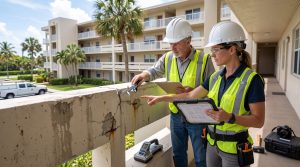
- Whether the damage is surface-level or structural
- The most appropriate restoration method
- Material compatibility with the existing substrate
- Long-term performance expectations
For commercial properties, HOAs, and multi-unit buildings, this step is essential to ensure safety and durability.
What Property Managers Should Consider Before Starting a Project
Before moving forward with resurfacing, decision-makers should evaluate:
- The current condition of the deck
- Exposure to environmental factors (coastal, high-traffic areas)
- Desired performance (safety, durability, aesthetics)
- Material compatibility
- Maintenance requirements over time
A well-informed approach helps prevent recurring issues and extends the service life of the pool deck.
What causes pool deck deterioration in Florida?
UV exposure, moisture, salt air, and chemical wear are the main causes.
Pool deck resurfacing is an effective solution for extending the life and performance of concrete surfaces when applied under the right conditions. However, it should not be used as a substitute for structural repair.
In Florida’s demanding climate, long-term results depend on proper evaluation, material selection, and professional application.
Frequently Asked Questions
Before moving forward with resurfacing, decision-makers should evaluate:
- The current condition of the deck
- Exposure to environmental factors (coastal, high-traffic areas)
- Desired performance (safety, durability, aesthetics)
- Material compatibility
- Maintenance requirements over time
A well-informed approach helps prevent recurring issues and extends the service life of the pool deck.
What causes pool deck deterioration in Florida?
UV exposure, moisture, salt air, and chemical wear are the main causes.
Pool deck resurfacing is an effective solution for extending the life and performance of concrete surfaces when applied under the right conditions. However, it should not be used as a substitute for structural repair.
In Florida’s demanding climate, long-term results depend on proper evaluation, material selection, and professional application.
Frequently Asked Questions
Can resurfacing fix cracks in concrete?
Only minor, non-structural cracks. Structural damage must be repaired before resurfacing.
How do I know if my pool deck needs resurfacing or repair?
Surface wear suggests resurfacing. Deep cracks, spalling, or movement may indicate structural issues.
What is the best material for pool deck resurfacing in Florida?
Materials with UV resistance, slip resistance, and heat reduction perform best, depending on the deck’s condition.
Is pool deck resurfacing suitable for commercial properties?
Yes. It is widely used in condos, hotels, and community pools where safety and durability are priorities.