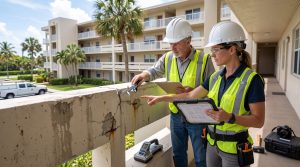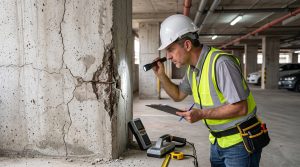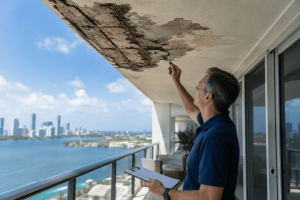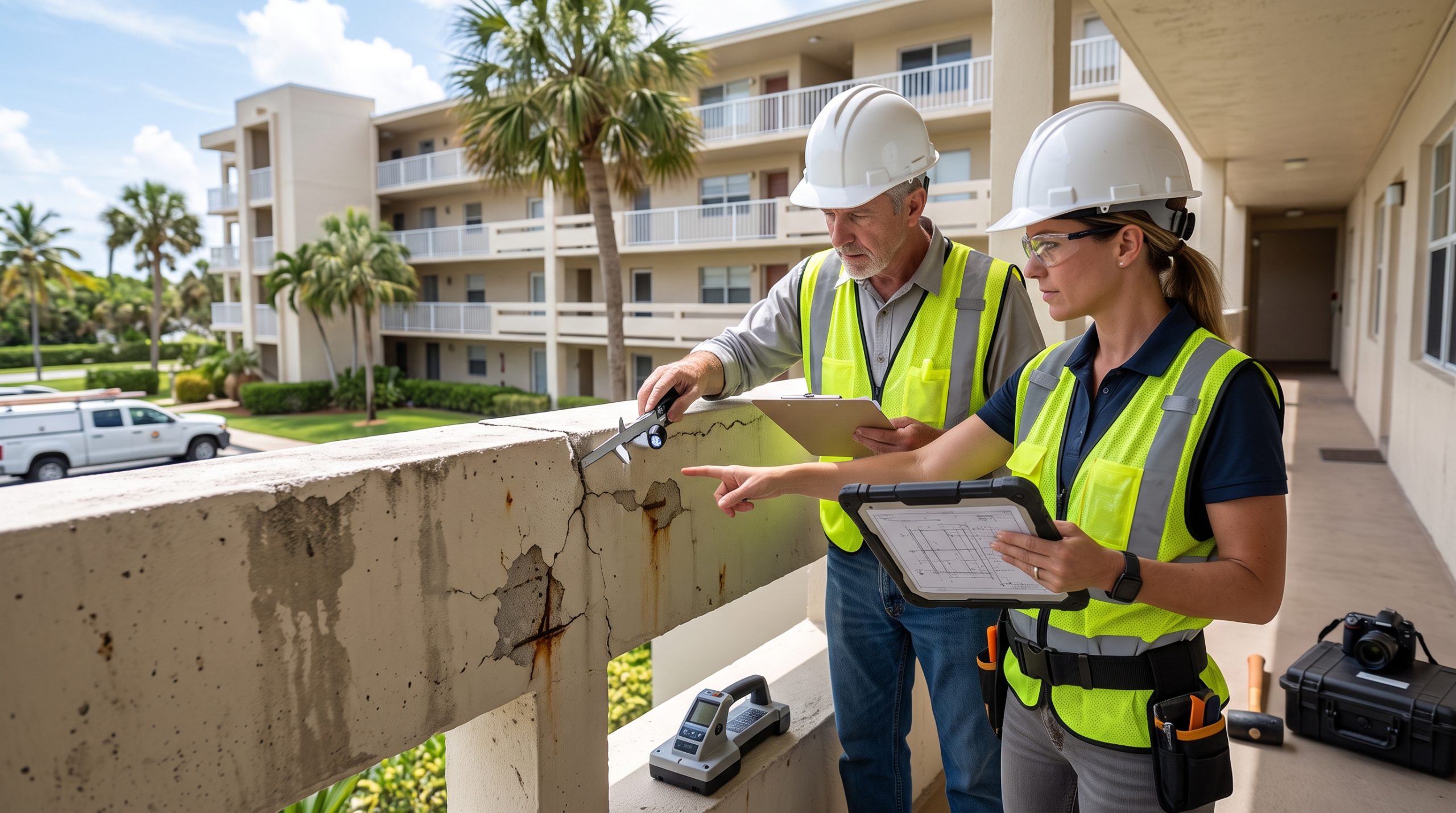
The 40-year recertification is the building safety inspection program Miami-Dade County created in the 1970s, and Broward later adopted. It required buildings to be inspected at 40 years of age and every 10 years after. After the 2021 Surfside collapse, that trigger was lowered. Miami-Dade now requires recertification at 30 years (25 for qualifying coastal buildings), and Florida’s statewide milestone inspection applies a 30-year rule to condominium and cooperative buildings three or more habitable stories tall.
The name survived; the schedule did not. This guide explains what changed and what concrete work follows a report. A Plus Concrete Restoration, based in Margate, carries out the structural concrete, balcony, waterproofing and railing repairs these inspections call for in Broward, Palm Beach and Miami-Dade counties.
From 40 years to 30 and 25
In 2022, Senate Bill 4-D created the statewide milestone inspection under Section 553.899 of the Florida Statutes, and both counties revised their programs to match earlier deadlines.
County recertification vs. state milestone inspection
| County recertification | State milestone inspection | |
| Legal basis | Miami-Dade Code Sec. 8-11(f); Broward BORA Policy 05-05 | Florida Statutes Sec. 553.899 |
| Buildings covered | Most residential and commercial buildings above county size thresholds | Condos and co-ops three or more habitable stories tall |
| First inspection | Miami-Dade: 30 years, 25 for qualifying coastal condos. Broward: 25 to 30 years, by municipality | 30 years, or 25 where the local building department requires it |
| Repeat | Every 10 years | Every 10 years |
| Scope | Structural and electrical | Structural: Phase 1 visual; Phase 2 if substantial deterioration is found |
| After the report | Repairs permitted and completed before recertification | Phase 2 repairs must commence within 365 days |
In Miami-Dade, a completed milestone inspection satisfies the county recertification when both apply. In Broward, a condominium can owe a county Building Safety Inspection, a milestone inspection and a structural integrity reserve study on different timelines. Boards should confirm dates with their local building department.
Why the deadlines moved earlier
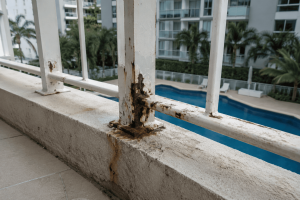
Salt from sea air pushes chlorides into the concrete. Once they reach the steel, it corrodes and the rust expands to several times the bar’s volume, cracking and spalling the concrete. Near the ocean, this can be well underway by year 25 or 30.
Inspectors focus on the elements A Plus Concrete Restoration repairs most often:
- Balcony slabs and edges
- Railing-post pockets
- Walkways
- Parking garage decks
- Columns and beams at grade
See our guide to balcony inspections for common defects.
What happens after the report
Once notified by certified mail, the association must inform owners within 14 days. Phase 1 is a visual assessment; if it finds no substantial deterioration, the process ends. Phase 2 may include destructive testing and recommends a repair program. The inspector’s summary goes to every owner within 45 days, and Phase 2 repairs must commence within 365 days. That clock is to start repairs, so engineering, permitting and contractor selection must fit inside it.
The concrete work behind a recertification
- Repair design. The Engineer of Record issues signed and sealed drawings, often based on an engineering report.
- Permitting, shoring and access. A permit, temporary shoring where required, and swing stages or scaffolding.
- Concrete removal. Deteriorated concrete is removed to sound material. ICRI 310.1R calls for at least ¾ inch of clearance behind corroded bars so the new material bonds all around the steel.
- Steel treatment. Rust is cleaned; bars with significant section loss are supplemented or replaced.
- Rebuilding and protection. Repair mortar or concrete, curing, then membranes, coatings and railing reinstallation.
- Close-out. The engineer confirms the work and issues an amended report stating the building is acceptable for continued occupancy.
Not every crack is structural, and understanding structural vs. cosmetic damage helps boards prioritize. Repair costs should also be anticipated in the association’s structural integrity reserve study, required every 10 years.
Where A Plus Concrete Restoration fits
A Plus Concrete Restoration executes the repairs that recertification and milestone inspections require:
- Structural concrete and spalling repair
- Balcony and walkway restoration
- Parking garage repair
- Waterproofing
- Railing fabrication and installation
All work follows the Engineer of Record’s approved design, for condominium associations, HOAs and property managers in Broward, Palm Beach and Miami-Dade. If your building has received a recertification notice or a Phase 2 report, contact A Plus to plan the work within the required timeline.
Frequently asked questions
Is the 40-year recertification still required in Florida?
Not at 40 years for new cycles. Miami-Dade now requires recertification at 30 years, or 25 for qualifying coastal buildings, and Broward starts at 25 to 30 years depending on the municipality.
What is a milestone inspection?
A milestone inspection is a structural inspection of a building, including its load-bearing walls and primary structural members and systems. It is performed by a licensed engineer or architect to determine whether substantial structural deterioration exists.
When is a milestone inspection required in Florida?
When a condo or co-op building three or more habitable stories tall reaches 30 years of age, and every 10 years after. A local building department can require the first one at 25 years.
Who can conduct a milestone inspection?
A Florida-licensed engineer or architect, or a team led by one. Concrete restoration contractors do not inspect; they carry out the repairs the inspection identifies.