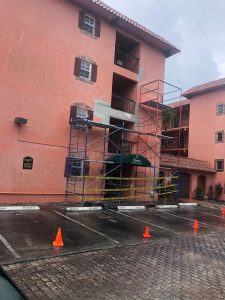
Florida’s parking garages face unique structural challenges due to high humidity, coastal salt air, heavy traffic, and intense storms. Over time, and without proper maintenance, these conditions cause spalling, cracks, leaks, and corrosion that compromise both safety and compliance with local building codes, leading to potentially dangerous situations, elevated repair costs, and inconvenience for tenants and residents.This guide explains the main causes of parking garage deterioration, restoration methods, realistic costs, and case studies from South Florida. If you manage a condo or commercial property in Broward, Miami-Dade, or Palm Beach, this resource will help you plan smarter repairs
Common causes of parking garage deterioration
1. Water penetration & failed waterproofing
When waterproofing membranes or joint sealants fail, water seeps into the structure. Standing water accelerates corrosion and weakens slabs.
2. Corrosion of reinforcement steel (Rebar)
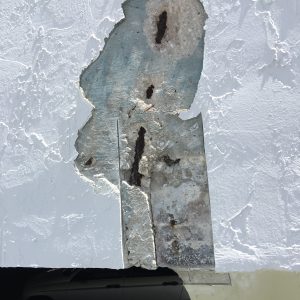
Once water reaches the rebar, it rusts, expands, and pushes against the surrounding concrete. This creates visible spalling and structural weakening.
3. Wear & tear from traffic and chemicals
Vehicle traffic, oil leaks, and de-icing salts eat away at coatings, exposing bare concrete to further damage.
4. Poor drainage & structural cracks
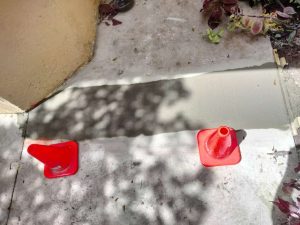
Blocked drains or poorly designed slopes cause ponding, which increases hydrostatic pressure and leads to cracks.
5. UV & Weather Exposure
Florida’s extreme sun and heavy storms cause coatings to deteriorate, opening pathways for water infiltration.
Restoration solutions and materials
Parking garage restoration typically includes a combination of structural repair and protective systems:
Structural concrete repairs
- Crack injection
- Spall patching
- Concrete overlays and slab replacements
Waterproofing membranes & coatings
- Polyurethane and polyurea coatings
- Epoxy overlays
- Bituminous membranes for decks and ramps
Joint & edge repair
- Replacement of failed expansion joints
- Resealing of control joints
Protective & anti-slip coatings
- High-traffic resistant coatings
Anti-slip surfaces for ramps and pedestrian areas
Case studies from Florida parking garage projects
Bayside Marketplace, Broward
- Problem: Water infiltration and rebar corrosion in multi-level parking decks.
- Solution: Concrete repair, installation of polyurethane membrane, joint replacement.
- Result: Extended service life by 15+ years, reduced maintenance costs.
Broward County condominium garage
- Problem: Visible spalling, cracks, and ponding water in a 40-year-old structure.
- Solution: Structural patching, rebar treatment, and epoxy coating for driving lanes.
Result: Garage passed 40-year recertification and met safety standards.
Preventive maintenance best practices
To avoid costly repairs, condo boards and property managers should:
- Schedule annual inspections for cracks, spalling, leaks, and coating wear.
- Clean and maintain drains to prevent ponding water.
- Reapply waterproofing systems every 5–7 years, depending on exposure.
- Address minor cracks early before they spread into structural problems.
Parking garage restoration in Florida is not just about appearance—it’s about safety, compliance, and long-term cost savings. Ignoring early warning signs can lead to structural failures and costly shutdowns.
If you manage a condo, HOA, or commercial property in Broward, Miami-Dade, or Palm Beach, contact A Plus Concrete Restoration today. Our team specializes in parking garage waterproofing, concrete repair, and protective coatings designed for South Florida’s climate.