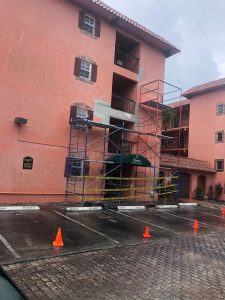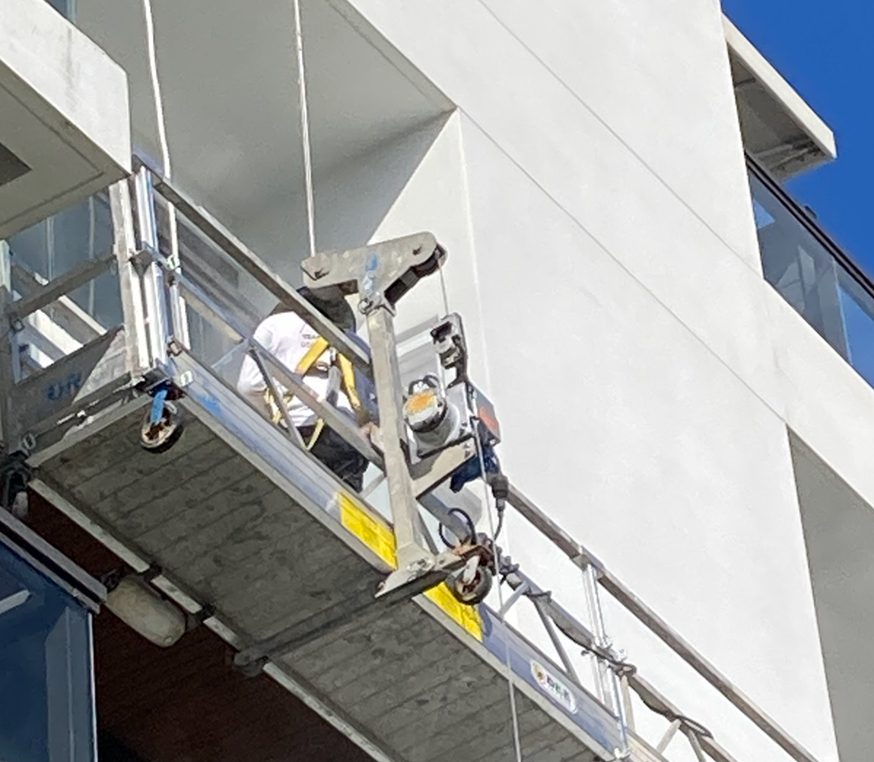
Florida’s building regulations have evolved significantly in recent years, especially after the Surfside condominium collapse. Today, condominium associations, HOAs, and property managers must comply with stricter structural inspection requirements to ensure resident safety and long-term building stability. These regulations directly impact aging concrete components such as balconies, walkways, parking garages, and elevated slabs—areas where deterioration can compromise structural integrity if not addressed promptly.This guide explains why structural inspections are mandatory in Florida, what the Florida Building Code requires, when an Engineer of Record (EOR) is needed, and how concrete restoration companies like A+ Concrete Restoration support compliance.
Why Florida strengthened its structural inspection requirements
Following the Champlain Towers South tragedy, Florida passed Senate Bill 4-D, introducing stricter mandatory inspections for buildings three stories or taller. These updates ensure aging buildings undergo professional evaluations before structural issues become dangerous or costly.
Milestone /inspections
Buildings must complete a milestone inspection:
- At 30 years of age (or 25 years if within 3 miles of the coastline)
- Every 10 years thereafter
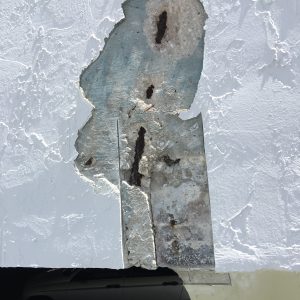
These inspections assess the structural soundness of the building, particularly reinforced concrete elements vulnerable to corrosion, spalling, and moisture intrusion
Structural Integrity Reserve Study (SIRS)
Condominium associations must also conduct a SIRS to evaluate long-term financial needs for critical structural components. Any deterioration discovered—such as spalling, rebar corrosion, or concrete delamination—must be addressed in compliance with Florida Building Code (FBC) standards.
Why structural inspections are essential in Florida’s climate
While structural inspections are legally mandated, they’re also practically necessary due to the state’s harsh environmental conditions. Concrete structures in Florida face multiple stressors:
- Salt-laden coastal air accelerates rebar corrosion, leading to concrete cracks and spalling.
- High humidity and frequent rainfall increase water intrusion and structural weakening.
- Intense heat and UV exposure cause thermal expansion and deterioration of protective coatings.
- Tropical storms and hurricane conditions can amplify existing vulnerabilities.
These factors make Florida one of the most challenging environments for structural concrete, and regular inspections are crucial for identifying early damage before it becomes a safety threat.
Common issues discovered during inspections include:
- Spalling and delamination
- Cracks caused by corroded reinforcement
- Water intrusion in balconies and walkways
- Deterioration of waterproofing membranes
- Hollow-sounding concrete areas
- Structural slab edge damage
Most of these issues require professional concrete repair to restore structural integrity and comply with state requirements.
Who performs milestone inspections in Florida?
Only a licensed structural engineer or architect can perform a milestone inspection. Their responsibilities include:
- Conducting the Phase 1 visual assessment
- Identifying possible structural concerns
- Determining whether a Phase 2 in-depth inspection is necessary
- Documenting findings
- Certifying whether the building is structurally sound
If structural damage is found, repairs must follow the Florida Building Code—and often must be overseen by an Engineer of Record.
When an engineer of record (EOR) is required
An Engineer of Record is a licensed professional engineer who assumes responsibility for the design, specifications, and technical oversight of a structural repair project. The EOR ensures all work complies with FBC and meets safety standards.
You need an EOR when:
- Structural elements require repair or reinforcement
- The project involves load-bearing concrete components
- Repair plans or engineered drawings are required
- Permit applications need engineer-stamped documents
- Significant concrete restoration or rebar replacement is necessary
- The building must demonstrate compliance with Phase 2 findings
What the EOR does:
- Creates signed and sealed repair plans
- Specifies the repair methods, materials, and procedures
- Provides structural calculations
- Verifies code compliance
- Oversees or confirms proper execution of repairs
How A+ Concrete Restoration collaborates with the EOR
A+ does not serve as the EOR—but executes all structural repairs according to the engineer’s approved design, including:
- Concrete spalling repair
- Structural concrete replacement
- Balcony and walkway restoration
- Parking garage slab repair
- Rebar treatment and anticorrosion applications
- Waterproofing and protective coatings
This partnership ensures the building meets state requirements and passes its mandatory inspections successfully.
Phase 1 vs. Phase 2 Milestone Inspections
Phase 1 Inspection
A visual structural assessment.
If no evidence of substantial structural deterioration is found, the process ends here.
Phase 2 Inspection
Required when Phase 1 identifies potential structural concerns. Phase 2 may include:
- Destructive or semi-destructive testing
- Concrete core sampling
- Load-path evaluations
- Rebar corrosion analysis
- Detailed engineering calculations
Any structural issues found must be repaired by a qualified concrete restoration contractor following the EOR’s directions.
Consequences of not complying with Florida building codes
Failing to complete mandatory inspections or repairs can lead to:
- Fines and local enforcement actions
- Denial of insurance coverage
- Difficulty selling units in the building
- Mandatory evacuations for safety
- Legal liability for association boards
- Accelerated structural deterioration
Compliance is not just about avoiding penalties—it’s about ensuring resident safety and long-term building health.
How A+ Concrete Restoration supports building code compliance
While A+ Concrete Restoration does not conduct milestone inspections, the company plays a vital role in helping properties meet Florida Building Code requirements through:
- Structural concrete repair-
- Spalling and delamination remediation
- Balcony and walkway concrete restoration
- Parking garage repair
- Waterproofing and sealing of structural slabs
- Protective concrete coating systems
By executing repairs to the exact specifications of the Engineer of Record, A+ ensures restored concrete surfaces meet legal requirements and maintain long-term structural integrity.
Florida’s strengthened building codes aim to prevent future tragedies and protect the safety of residents across the state. Understanding the importance of structural inspections—and the role of the Engineer of Record—is essential for property managers, boards, and building owners. With the right engineering oversight and a trusted concrete restoration partner like A+ Concrete Restoration, buildings can remain compliant, safe, and structurally sound for decades.