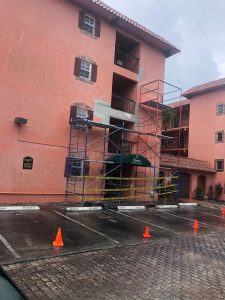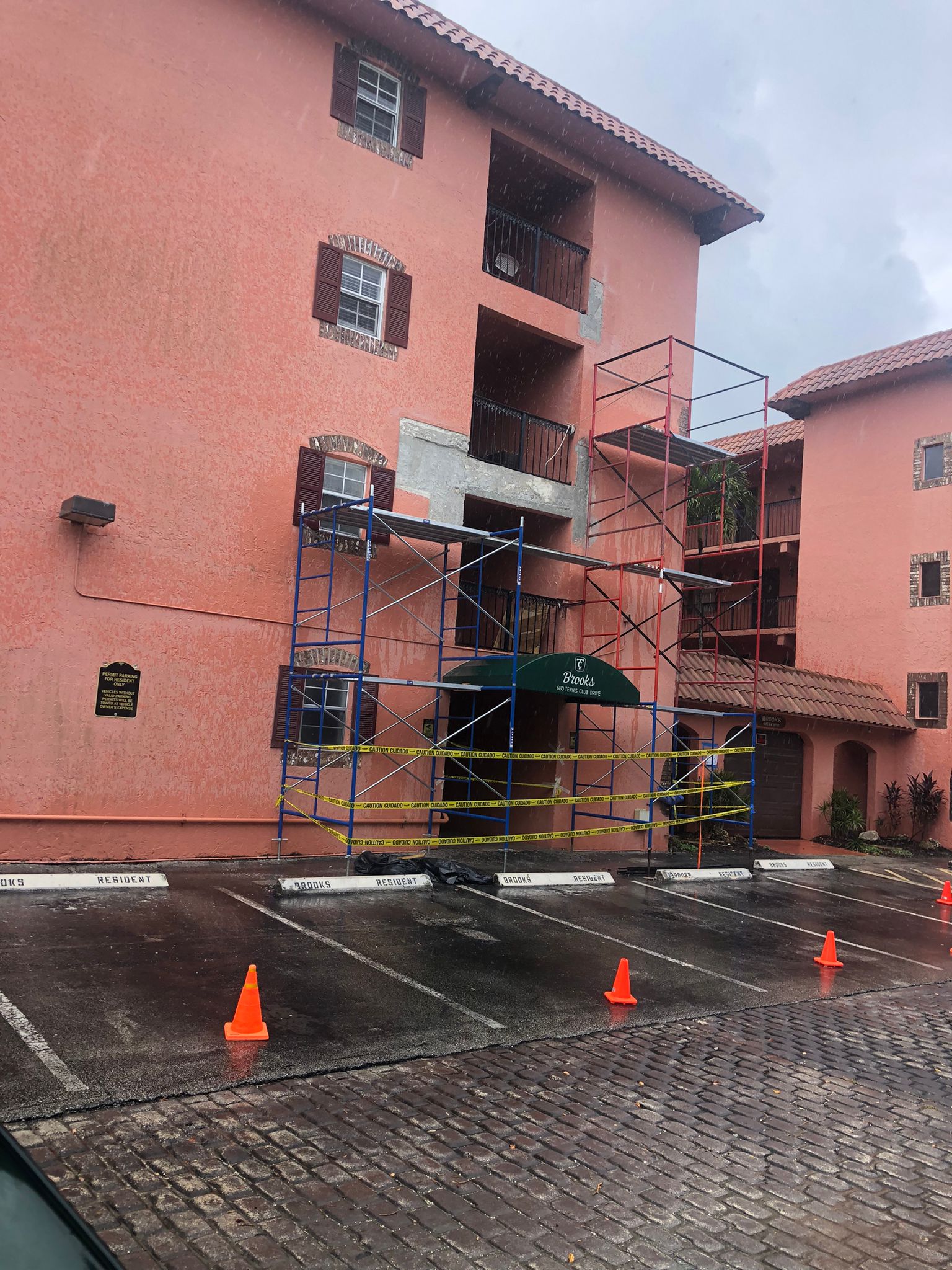
For HOAs and condominium associations in South Florida, concrete is one of the most critical shared assets. Parking garages, balconies, elevated walkways, pool decks, and structural slabs must withstand constant exposure to humidity, salt air, heavy rainfall, and seasonal storms.
Without a structured maintenance plan, minor surface issues can evolve into costly structural repairs. Proactive planning helps associations extend service life, control budgets, and reduce long-term liability.
Why Concrete Maintenance Planning Matters
Unlike single-family properties, HOAs and condo associations manage shared structural components that impact the safety and investment of many residents.
When concrete deterioration is not addressed early, it can lead to:
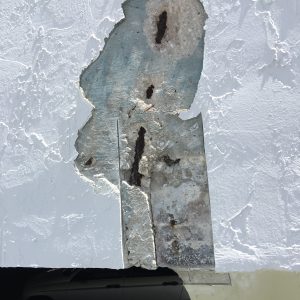
- Reinforcing steel corrosion
- Concrete cracking and spalling
- Water intrusion into occupied units
- Code compliance concerns
- Emergency special assessments
South Florida’s coastal environment accelerates deterioration. Moisture intrusion and chloride exposure are among the leading causes of structural damage in reinforced concrete buildings.
A formal maintenance plan shifts the association from reacting to visible damage to managing the asset strategically.
Reactive vs. Planned Maintenance
Many associations operate reactively addressing damage only after it becomes obvious. While this may seem cost-effective in the short term, it often increases long-term expenses.
Reactive Maintenance
- Repairs after visible cracking or spalling
- Emergency contractor mobilization
- Budget disruptions
- Higher restoration costs due to advanced corrosion
Planned Maintenance
- Scheduled inspections
- Early detection of moisture intrusion
- Preventive waterproofing upkeep
- Budget forecasting aligned with reserve planning
Preventive maintenance reduces the likelihood of major structural restoration and provides financial predictability for the board.
Core Components of a Concrete Maintenance Plan
A structured maintenance plan should be documented, prioritized, and aligned with long-term property goals.
1. Asset Inventory and Baseline Assessment
Associations should maintain a record of all concrete components, including:
- Balconies and elevated slabs
- Parking garages
- Pool decks
- Structural beams and columns
- Foundations and retaining walls
Each element should be evaluated for cracking, rust staining, surface deterioration, and waterproofing failure. Establishing a baseline condition allows the board to monitor changes and prioritize repairs appropriately.
2. Scheduled Inspections
Routine inspections are essential in South Florida’s demanding climate. Inspection frequency should consider:
- Age of the structure
- Exposure to coastal conditions
- Previous repair history
- Regulatory inspection requirements
Identifying minor cracking or sealant failure early can prevent moisture from reaching reinforcing steel the primary cause of structural deterioration.
3. Waterproofing and Drainage Maintenance
Water intrusion is one of the most common contributors to concrete damage in multi-family properties.
Maintenance planning should include:
- Balcony and deck waterproofing inspections
- Sealant joint replacement cycles
- Drainage system evaluations
- Protective coating maintenance
Maintaining waterproofing systems is significantly less expensive than repairing structural concrete damaged by corrosion.
4. Lifecycle Planning
Concrete deterioration is progressive. Associations should anticipate maintenance cycles such as:
- Coating reapplication every 5–10 years
- Sealant replacement at defined intervals
- Localized crack repair as needed
- Larger restoration planning depending on age and exposure
Defining expected service intervals helps boards forecast capital needs instead of reacting to emergencies.
5. Alignment with Reserve Studies
Concrete maintenance planning should align with the association’s reserve study.
Reserve studies help anticipate:
- Major restoration projects
- Structural rehabilitation timelines
- Funding requirements for future repairs
When maintenance strategy and financial forecasting work together, associations reduce the likelihood of unexpected special assessments and improve long-term budget stability.
Integrating Maintenance into Property Management
Concrete maintenance should be part of the overall property management strategy.
Effective planning requires coordination between:
- Board members
- Property managers
- Structural engineers
- Licensed restoration contractors
Clear documentation, regular reporting, and organized budgeting improve transparency and informed decision-making.
Seasonal Considerations in South Florida
The rainy season and hurricane exposure increase the risk of water intrusion.
Before peak storm periods, associations should:
- Inspect balcony and deck drainage
- Evaluate sealants and expansion joints
- Identify areas with previous moisture issues
Seasonal preparation helps reduce accelerated deterioration.
Benefits of a Structured Maintenance Plan
When properly implemented, a proactive maintenance plan can:
- Extend structural service life
- Reduce emergency repair costs
- Improve budget predictability
- Protect property values
- Enhance resident safety
- Support regulatory compliance
For board members, the primary advantage is control over both structural risk and financial exposure.
Risks of Deferred Maintenance
Postponing maintenance often increases long-term costs. Deferred repairs may result in:
- Advanced reinforcing steel corrosion
- Large-scale concrete spalling
- Increased liability exposure
- Insurance complications
- Significant special assessments
Early planning provides flexibility and reduces financial strain.
For HOAs and condominium associations in South Florida, concrete maintenance planning is a fundamental part of responsible property management.
Routine inspections, preventive waterproofing, lifecycle forecasting, and proper budgeting work together to protect structural integrity and long-term property value.
Associations that combine proactive planning with professional concrete evaluations and restoration expertise are better positioned to identify early-stage deterioration, prioritize repairs, and implement effective solutions. Working with experienced concrete restoration specialists ensures that maintenance strategies translate into durable, long-term results for the entire community.
“This article is for informational purposes only and does not replace an evaluation by a qualified engineer or inspector.”