For property owners, HOAs, and condominium associations, concrete deterioration is more than a maintenance issue it can become a serious liability risk.
In South Florida, reinforced concrete structures are constantly exposed to moisture, salt air, and heavy seasonal rains. When necessary repairs are postponed, minor defects can evolve into structural hazards that increase legal exposure, insurance complications, and financial strain.
Understanding how deferred concrete repairs impact liability is essential for responsible property management.
The Hidden Risk Behind Small Concrete Defects
Concrete deterioration rarely begins as a major structural failure. It typically starts with:
- Hairline cracks
- Minor spalling
- Rust staining
- Failing sealants or waterproofing
- Ponding water on decks or balconies
When left unaddressed, these conditions allow moisture to penetrate the concrete and reach embedded reinforcing steel. As steel corrodes, it expands, causing further cracking and progressive structural weakening.
What begins as a cosmetic issue can eventually create safety hazards.
How Deferred Repairs Increase Legal Exposure
Property owners and associations have a duty to maintain reasonably safe premises. When visible signs of deterioration are ignored, liability risks increase significantly.
Deferred concrete repairs can lead to:
- Falling concrete from balconies or parking structures
- Trip-and-fall incidents caused by uneven slabs
- Water intrusion into residential units
- Structural instability concerns
- Code violations identified during inspections
If damage was visible and not addressed, it may be difficult to demonstrate that reasonable maintenance efforts were made.
In multi-family buildings, the shared nature of structural components means liability exposure can affect the entire association.
The Impact of South Florida Regulations
Following heightened structural safety awareness in Florida, inspection and milestone requirements have become more stringent, particularly for aging condominium buildings.
When required inspections identify deteriorated concrete, associations may be mandated to perform corrective work within defined timelines.
Failure to act promptly can result in:
- Fines or compliance enforcement
- Increased scrutiny from local authorities
- Insurance carrier concerns
- Pressure from residents and unit owners
Deferred maintenance not only increases physical deterioration it may also escalate regulatory exposure.
Insurance and Financial Consequences
Insurance providers evaluate risk based on building condition. Visible structural deterioration or documented inspection findings may influence:
- Premium increases
- Coverage limitations
- Higher deductibles
- Policy non-renewal in severe cases
In addition, when large-scale repairs become unavoidable due to prolonged neglect, associations often face:
- Emergency special assessments
- Strained reserve funds
- Owner disputes
- Reduced property marketability
Addressing issues early is typically far less expensive than managing advanced structural restoration combined with legal and financial consequences.
Structural Deterioration Is Progressive
Reinforced concrete damage does not remain static. Corrosion of embedded steel accelerates once moisture intrusion begins.
As corrosion expands, it causes:
- Concrete delamination
- Larger areas of spalling
- Reduced load-carrying capacity
- Increased repair scope and cost
What might have been a localized repair can evolve into a comprehensive structural restoration project.
From a liability perspective, the longer deterioration continues, the more difficult it becomes to justify inaction.
Common Areas of Liability Concern
In condominium and HOA-managed properties, the following areas frequently present risk when repairs are deferred:
- Balconies and rail-supported slabs
- Parking garages
- Elevated walkways
- Pool decks
- Building façades
These areas are heavily used and directly impact resident safety. Visible cracking, exposed rebar, or falling concrete fragments are clear indicators that corrective action should not be delayed.
The Cost of Waiting
Boards sometimes delay repairs to avoid immediate expenses. However, postponement often results in:
- Expanded repair areas
- Higher contractor mobilization costs
- Temporary shoring requirements
- Increased engineering oversight
- Greater disruption to residents
From a risk management standpoint, planned repairs are more predictable, more controlled, and often less expensive than emergency interventions.
Proactive Risk Mitigation
Reducing liability exposure begins with structured oversight.
Property owners and associations should prioritize:
- Routine structural inspections
- Documentation of observed deterioration
- Timely corrective repairs
- Waterproofing maintenance
- Alignment with reserve funding plans
Maintaining clear records of inspections and repair efforts demonstrates responsible property management and helps mitigate potential legal claims.
When Should Repairs Be Prioritized?
Concrete repairs should be addressed promptly if:
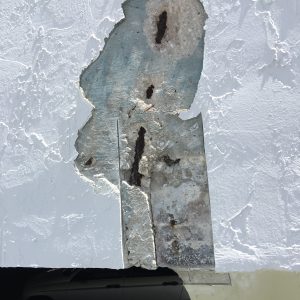
- Spalling exposes reinforcing steel
- Rust staining is widespread
- Cracking is expanding
- Water intrusion is recurring
- Inspection reports recommend corrective action
Waiting for deterioration to worsen increases both structural risk and liability exposure.
Deferred concrete repairs do more than accelerate structural deterioration they increase legal, financial, and regulatory risk for property owners and associations.
In South Florida’s aggressive climate, proactive evaluation and timely corrective action are essential components of responsible property management. Early intervention helps control repair scope, protect residents, and reduce the likelihood of costly disputes or enforcement actions.
Working with experienced concrete restoration professionals to assess structural conditions and implement timely repairs allows HOAs and property owners to manage risk effectively while preserving long-term property value.
“This article is for informational purposes only and does not replace an evaluation by a qualified engineer or inspector.”