Waterproofing systems play a critical role in protecting concrete structures from moisture intrusion and long-term deterioration. In South Florida, where buildings are exposed to high humidity, heavy rainfall, and coastal conditions, waterproofing failures are a common contributor to concrete damage. Condominiums, balconies, and parking decks are particularly vulnerable due to their exposure and structural configuration.
Understanding the most common waterproofing failures helps property owners and building managers identify risks early and better evaluate the condition of concrete structures in coastal environments.
Why Waterproofing Failures Are Common in South Florida
South Florida’s climate places continuous stress on waterproofing systems. Frequent rain events, intense solar exposure, salt-laden air, and thermal movement all contribute to accelerated material degradation.
In many cases, waterproofing systems fail not due to a single issue, but because multiple factors interact over time. When waterproofing is compromised, moisture penetrates the concrete, enabling corrosion, chemical reactions, and progressive structural deterioration.
Common Waterproofing Failures in Condominium Buildings
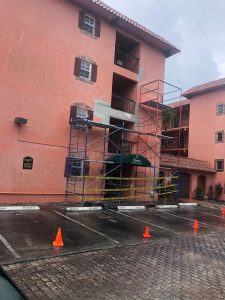
Condominium buildings often contain multiple exposed concrete elements, including balconies, podium slabs, and façades. Waterproofing failures in these structures are frequently linked to aging systems and environmental exposure.
Membrane Deterioration and Aging
Over time, waterproofing membranes can lose elasticity, adhesion, or thickness due to UV exposure and weathering. As membranes age, they become less effective at accommodating movement and preventing water intrusion.
Inadequate Surface Preparation
Improper surface preparation during installation can prevent waterproofing materials from bonding correctly to the concrete substrate. This can lead to early delamination, cracking, or water migration beneath the system.
Penetrations and Transition Points
Waterproofing failures often occur at penetrations, joints, and transitions between different building materials. These areas are more susceptible to movement and water intrusion if not properly detailed and sealed.
Balcony Waterproofing Failures
Balconies are among the most common locations for waterproofing-related concrete deterioration in South Florida. Their cantilevered design and direct exposure to the elements make them particularly vulnerable.
Insufficient Drainage and Slope
Balconies that lack proper slope or drainage allow water to pond on the surface. Standing water increases hydrostatic pressure and accelerates membrane degradation, leading to leaks and moisture infiltration.
Cracking and Movement-Related Damage
Thermal expansion, structural movement, and live loads can cause cracking in balcony slabs and finishes. When waterproofing systems cannot accommodate this movement, cracks provide direct pathways for water intrusion.
Incompatible Repair Materials
In some cases, balcony waterproofing failures result from the use of incompatible coatings or patching materials. These materials may not bond properly or may deteriorate more quickly under coastal conditions.
Parking Deck Waterproofing Issues
Parking decks experience unique stresses due to vehicular traffic, dynamic loading, and exposure to water, oils, and contaminants. Waterproofing failures in parking structures can lead to widespread concrete deterioration.
Wear and Abrasion of Waterproofing Systems
Traffic loads and tire abrasion gradually wear down waterproofing layers on parking decks. As protective systems thin or fail, water can penetrate directly into the concrete slab.
Joint and Expansion Joint Failures
Parking decks rely on joints to accommodate movement. Failed or poorly maintained joints allow water to bypass waterproofing systems and enter structural components below.
Inadequate Protection Against Moisture Migration
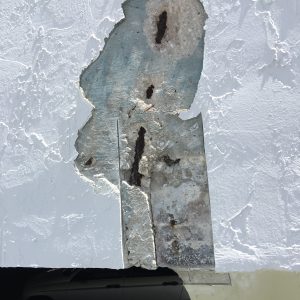
When waterproofing systems are incomplete or improperly detailed, moisture can migrate through cracks and joints, contributing to corrosion of reinforcing steel and concrete spalling.
How Waterproofing Failures Lead to Structural Concrete Damage
Waterproofing failures do not typically cause immediate visible damage. Instead, they initiate internal deterioration processes that develop over time.
Moisture intrusion enables chloride transport, accelerates corrosion of reinforcing steel, and contributes to chemical reactions such as carbonation. These processes weaken the concrete internally and can eventually result in spalling, cracking, and loss of structural capacity.
In South Florida’s coastal environment, these mechanisms progress more rapidly due to persistent humidity and salt exposure.
Early Indicators of Waterproofing Failure
While not all waterproofing failures are immediately visible, certain conditions may indicate compromised systems, including:
- Persistent moisture or damp areas
- Staining or discoloration on concrete surfaces
- Efflorescence or mineral deposits
- Recurring surface cracks near joints or penetrations
These indicators warrant further evaluation to determine whether waterproofing systems are performing as intended.
Preventing Waterproofing Failures in Coastal Structures
Preventing waterproofing failures involves more than selecting the right materials. Proper system design, correct installation, attention to details, and ongoing evaluation are essential, particularly in coastal environments.
Understanding how waterproofing systems interact with concrete structures helps reduce the risk of premature failure and long-term deterioration.
Waterproofing and Concrete Repair Services
Waterproofing failures in condominiums, balconies, and parking decks are a significant contributor to concrete deterioration in South Florida. Environmental exposure, system aging, installation issues, and structural movement all play a role in reducing waterproofing effectiveness over time.
A Plus Concrete Restoration provides professional waterproofing and concrete repair services throughout South Florida, supporting building owners and property managers in addressing moisture intrusion and protecting concrete structures exposed to coastal conditions. Their experience with balconies, parking garages, and multifamily buildings allows for comprehensive evaluation and restoration strategies.
For buildings experiencing moisture-related concrete issues, professional assessment helps identify waterproofing failures and determine appropriate repair and restoration approaches.
“This article is for informational purposes only and does not replace an evaluation by a qualified engineer or inspector.”