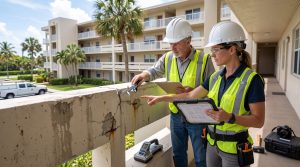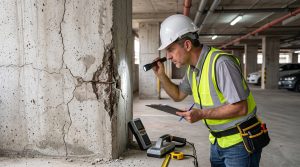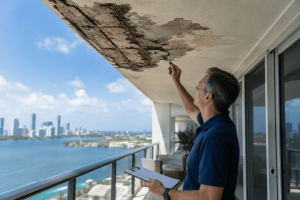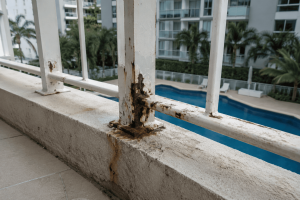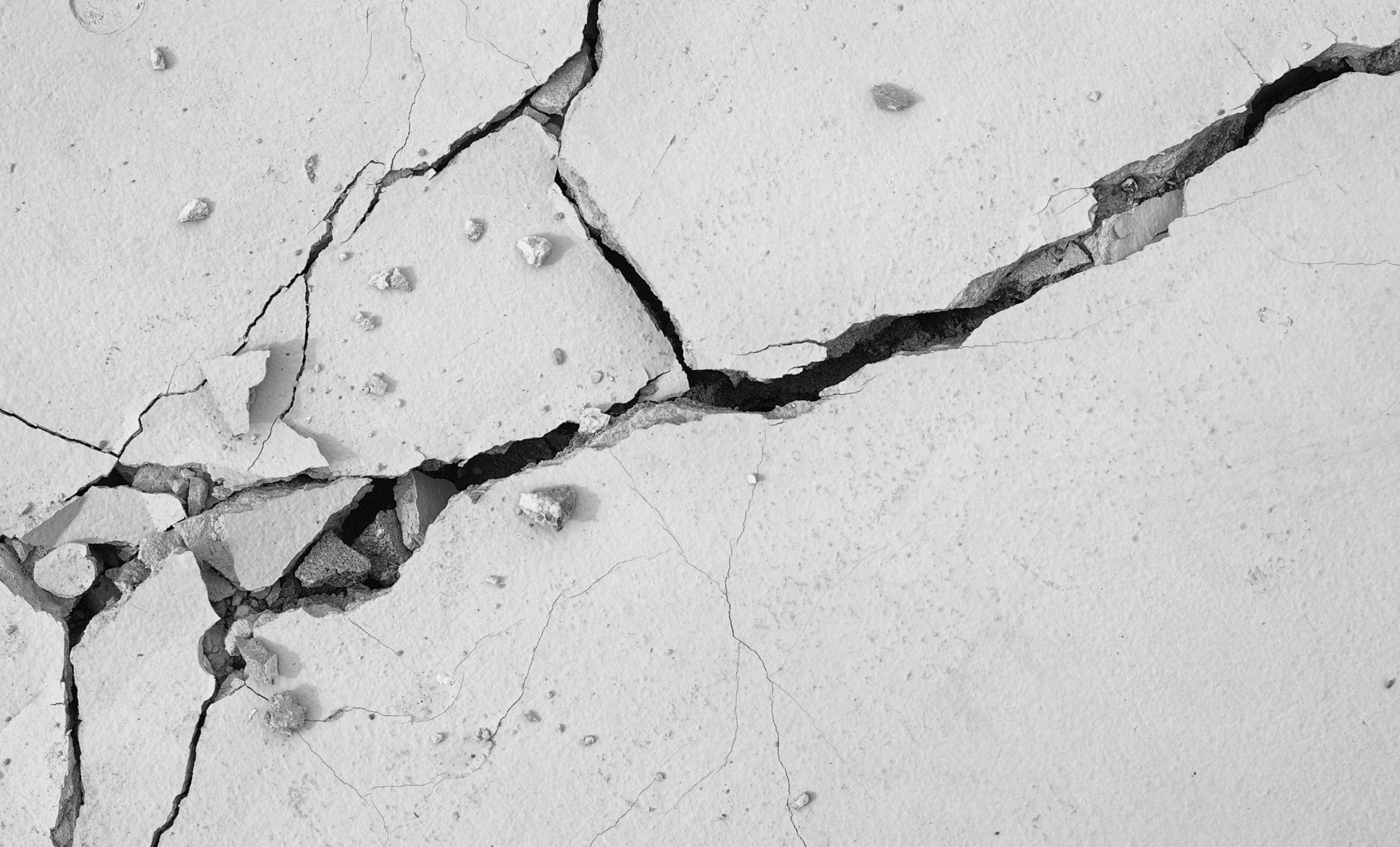
In Florida’s coastal regions, buildings are exposed to some of the harshest environmental conditions in the United States. Salt air, high humidity, and frequent storms accelerate the deterioration of concrete structures often in ways that are not immediately visible.
This is why annual concrete inspections in Florida are not just recommended they are essential.
For property owners, HOAs, and building managers, regular inspections are the most effective way to identify structural issues early, maintain compliance, and avoid costly repairs.
The Unique Challenges of Coastal Concrete Structures in Florida
Concrete is a durable material, but coastal environments significantly reduce its lifespan if not properly maintained.
Key factors affecting coastal buildings:
- Chloride exposure (salt air): Penetrates concrete and accelerates corrosion of reinforcing steel
- High humidity: Increases moisture intrusion and long-term deterioration
- Temperature fluctuations: Cause expansion, contraction, and cracking
- Storm and hurricane exposure: Lead to water infiltration and structural stress
Over time, these conditions contribute to:
- Cracking and spalling
- Rusting rebar (reinforced steel)
- Delamination of concrete surfaces
- Structural weakening
Many of these issues begin internally, making professional building inspection in Florida critical for early detection.
What Is a Concrete Inspection in Florida?
A concrete inspection is a detailed evaluation of a building’s structural components, typically performed by qualified professionals or in coordination with engineers.
Common areas inspected include:
- Balconies and railings
- Parking garages
- Elevated slabs and walkways
- Columns and beams
- Exterior façades and structural elements
What inspectors look for:
- Structural cracks and movement
- Water intrusion and waterproofing failures
- Corrosion of reinforcing steel
- Surface deterioration (spalling, scaling)
- Safety risks and code-related concerns
The goal of a concrete inspection service is to identify early-stage deterioration before it becomes a major structural or financial problem.
Why Annual Concrete Inspections Are Critical for Florida Buildings
1. Early Detection Reduces Repair Costs
Small defects can quickly evolve into major structural issues in coastal environments.
Routine concrete inspections in Florida help:
- Detect hidden damage early
- Reduce the scope of repairs
- Prevent emergency restoration projects
Preventative maintenance is significantly more cost-effective than reactive repairs.
2. Improved Safety and Risk Mitigation
Structural failures are often preceded by visible warning signs but these signs are frequently overlooked.
Annual inspections reduce the risk of:
- Balcony or railing failures
- Falling concrete hazards
- Structural instability
For HOAs and property managers, this directly impacts liability, insurance exposure, and resident safety.
3. Compliance with Florida Milestone Inspection and Recertification Requirements
Florida regulations have become stricter in recent years, particularly for aging buildings.
While annual inspections may not always be legally required, they play a key role in preparing for:
- Milestone inspections in Florida
- 30-year and 40-year recertification requirements
- Engineering reports and structural assessments
Regular building inspections in Florida help property owners:
- Stay ahead of compliance deadlines
- Avoid costly last-minute repairs
- Demonstrate proactive maintenance to local authorities
4. Protection of Property Value and Long-Term Assets
Deferred maintenance can significantly reduce property value especially in competitive coastal markets.
Routine inspections help:
- Preserve structural integrity
- Maintain building appearance
- Protect long-term investment value
For associations and investors, this directly affects resale value and marketability.
What Happens If You Skip a Concrete Inspection?
Skipping routine inspections often leads to a predictable and costly cycle:
- Minor damage goes unnoticed
- Moisture and corrosion spread internally
- Visible deterioration appears (cracking, spalling)
- Structural repairs become necessary
- Costs increase significantly
In many cases, what could have been a targeted repair becomes a full-scale concrete restoration project.
How Concrete Inspections Support Better Restoration Planning
Annual inspections are not just about identifying problems they are critical for planning.
They help property owners and managers:
- Prioritize repairs based on urgency
- Develop accurate maintenance budgets
- Coordinate with engineers and contractors
- Avoid unnecessary or premature work
When combined with engineering reports, inspections provide the foundation for a strategic and cost-effective restoration plan.
When Should You Schedule a Concrete Inspection in Florida?
For most coastal properties, inspections should be:
- Conducted at least once per year
- Scheduled before hurricane season when possible
- Increased in frequency for:
- Older buildings
- Properties nearing recertification
- Structures exposed to severe coastal conditions
Concrete deterioration in coastal Florida is inevitable but costly damage is not.
By investing in annual concrete inspections, property owners can:
- Detect issues early
- Maintain compliance with Florida regulations
- Protect residents and assets
- Control long-term repair costs
For HOAs, property managers, and commercial building owners, regular inspections are a critical part of responsible building maintenance.
Need a Concrete Inspection in Florida?
If your property is exposed to coastal conditions or approaching a milestone inspection or recertification requirement, a professional assessment can help you understand its current condition and next steps.
Working with experienced concrete restoration specialists ensures accurate evaluations and helps prevent minor issues from becoming major structural problems.
“This article is for informational purposes only and does not replace an evaluation by a qualified engineer or inspector.”