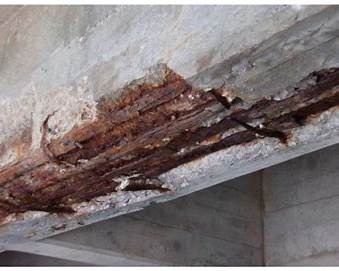
Concrete damage in Florida buildings can progress faster than in many other parts of the country. High humidity, salt air, UV exposure, and frequent rain make balconies, walkways, parking garages, and structural slabs especially vulnerable. While some signs of deterioration may seem superficial, they can often indicate deeper structural problems that require prompt evaluation.
This guide outlines the top warning signs of concrete damage, explains how visual symptoms can hide more serious issues, and why a further inspection by a qualified professional is essential to determine the real extent of deterioration.
Why early detection matters in Florida’s climate
Florida’s environment accelerates concrete deterioration due to:
- Salt-laden coastal air → speeds up rebar corrosion.
- High moisture and humidity → increases water penetration.
- UV exposure and high temperatures → expand existing cracks.
- Heavy rains and storms → wash moisture into structural components.
Because of these conditions, even minor cracks or stains can be signs of deeper internal damage. Acting early helps prevent costly structural failures and ensures resident safety.
Visible signs of concrete damage (with illustrative examples)
The following are the most common signs that your building may need structural concrete repair. These visual cues frequently appear before larger failures and should never be ignored.
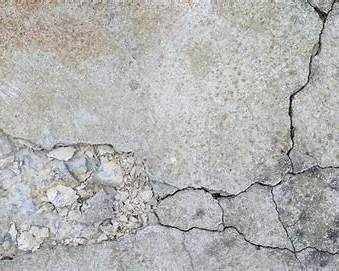
1. Cracks: Hairline, Structural, or Spreading
Not all cracks are the same. Some indicate natural shrinkage, while others signal deeper problems.
Warning signs include:
- cracks that widen over time
- cracks running along slab edges
- cracks with rust stains
- cracks that follow a pattern (“map cracking”)
Cracks allow moisture to reach the reinforcing steel, accelerating corrosion and leading to spalling or delamination beneath the surface.
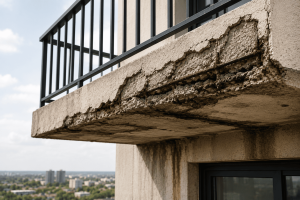
2. Spalling or Flaking Concrete
Spalling is one of the most common and dangerous concrete problems in Florida.
Visible indicators:
- chunks of concrete breaking off
- uneven surfaces
- exposed reinforcing steel
- hollow-sounding areas
What appears as a small flake on the surface can hide major rebar damage underneath.
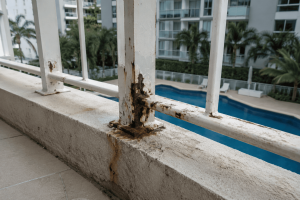
3. Rust Stains or Leaching
Brown or reddish stains on concrete often mean active rebar corrosion.
Once steel begins to rust, it expands fracturing the surrounding concrete.
This is one of the most telling early signs of deeper structural deterioration.
4. Water Intrusion, Moisture Staining, or Efflorescence
If you notice white powdery stains, dark wet areas, or peeling coatings, moisture is getting into the concrete.
Moisture creates ideal conditions for:
- internal corrosion
- mold growth
- progressive weakening of structural concrete
These symptoms are extremely common on balconies, walkways, stairwells, and parking garages.
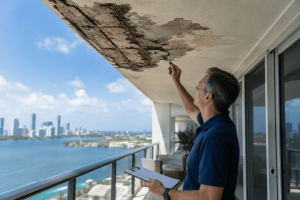
5. Hollow Sounds When Tapped
Even if the surface looks intact, a hollow or “drummy” sound indicates delamination—a separation between concrete layers.
This is a hidden structural risk that often requires professional testing to confirm.
Why Photos alone don’t reveal the full extent of damage
While visual cues are helpful, photographs cannot determine how deep or advanced the deterioration truly is. A small crack on the surface can mask:
- significant rusting of reinforcement
- internal cracking
- moisture trapped beneath coatings
- large delaminated areas
- structural voids
Because structural concrete damage progresses from the inside out, only a trained professional can determine how severe it actually is.
Why a further inspection is essential (client request fully integrated)
A further inspection goes beyond visual evaluation to uncover hidden issues. This is necessary to:
- confirm the extent of deterioration
- identify structural vs. superficial damage
- determine repair scope
- prevent unexpected slab failures
- protect residents and maintain code compliance
Professional inspections may include:
- Sounding tests to detect hollow areas
- Core sampling for internal analysis
- Rebar corrosion testing
- Moisture mapping
- Load-path evaluation
Only through deeper inspection can the building owner or association receive an accurate repair plan and budget.
Areas most affected in Florida buildings
Concrete deterioration frequently appears in:
1. Balconies
High exposure to wind, rain, and salt air makes them one of the first areas to show corrosion.
2. Walkways & Catwalks
Common in older condominiums; often exhibit cracking, delamination, and water intrusion.
3. Parking Garages
Foot and vehicle traffic, plus water dripping from cars, accelerates deterioration.
4. Stairwells & Landings
Often exposed to the elements, leading to moisture damage.
5. Pool Decks & Outdoor Amenities
Constant moisture and chemical exposure cause surface breakdown.
When concrete damage becomes a safety risk
Delaying repairs can lead to:
- falling concrete hazards
- structural weakening of balconies and walkways
- loss of load-bearing capacity
- slab failure in garages
- costly emergency repairs
- potential building code violations
Florida law requires safe structural conditions ignoring early signs can expose associations to liability.
How A+ concrete restoration identifies and repairs structural damage
A+ Concrete Restoration follows a methodical, Florida-tested process:
1. Detailed Assessment
Visual inspection plus collaboration with engineers when needed.
2. Structural Testing (If Required)
Identifying hidden spalling, delamination, or corrosion.
3. Professional Repair Services
- Spalling and delamination repair
- Rebar corrosion treatment
- Concrete patching or replacement
- Balcony and walkway structural restoration
- Waterproofing and sealing
- Protective coatings for long-term durability
4. Preventive Recommendations
How to protect surfaces from humidity, salt air, and water intrusion.
A+ ensures all repairs meet industry standards and extend the life of the structure in Florida’s demanding environment.
Florida’s climate makes concrete deterioration unavoidable yet manageable when addressed early. Even minor signs like hairline cracks or small flakes can indicate deeper structural issues, which is why visual evidence should always be followed by a further inspection.
With experienced professionals like A+ Concrete Restoration, building owners and associations can identify damage early, repair it properly, and ensure long-term safety and compliance.
FAQs
What are the first signs of concrete damage?
Cracks, spalling, rust stains, and moisture markings are the earliest and most visible symptoms.
Is a small crack a structural issue?
Possibly. Small cracks can indicate deeper rebar corrosion, especially in Florida’s humid climate.
What causes concrete spalling in Florida?
Primarily rebar corrosion accelerated by salt air and moisture.
How do I know if hidden damage exists?
Hollow sounds, moisture stains, and rust streaks strongly suggest internal deterioration.
When should I call a professional?
At the first visible signs—early intervention prevents costly structural failures.