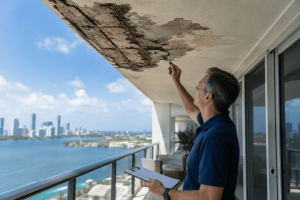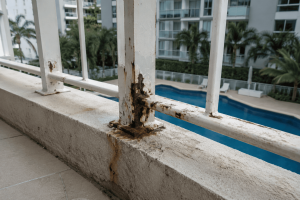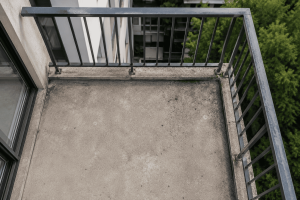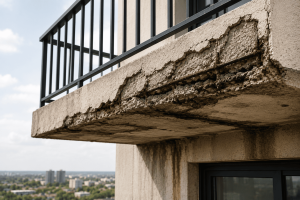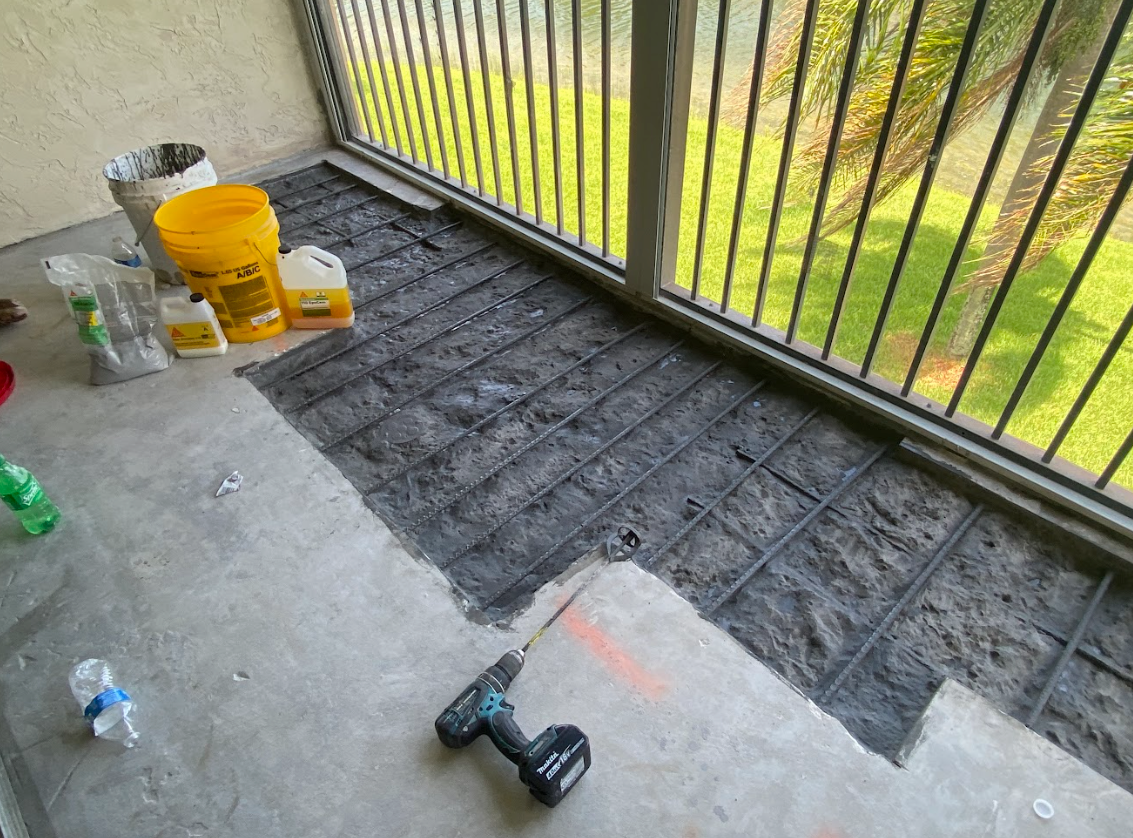
When you invest in concrete restoration whether it’s crack repair, spalling repair, balcony rehab, garage surface restoration, or professional waterproofing—you want that work to last. In Florida, however, concrete endures harsher conditions than in most other states. High humidity, UV exposure, heavy rainfall, salt-rich air, and temperature fluctuations can all impact the longevity of repaired concrete.
This guide explains practical concrete care tips, based on what Florida homeowners and property managers search for most: how to protect repaired concrete, how to extend concrete surface longevity, and what to avoid after restoration.
How Florida’s climate affects restored concrete
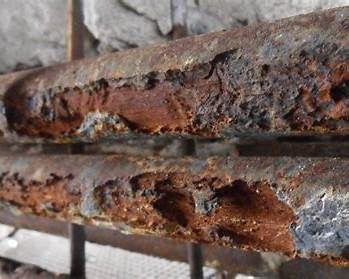
Concrete is durable, but Florida’s environment accelerates wear if surfaces are left unprotected or poorly maintained. Understanding these stressors is the first step in preventing future damage:
1. High humidity & frequent rain
Moisture consistently tries to penetrate concrete, especially in garages, balconies, and walkways. Even repaired concrete is vulnerable if not sealed correctly. Excess water can lead to:
- Micro-cracking
- Mold or mildew discoloration
- Early breakdown of coatings or sealers
2. Salt air exposure (Coastal Areas)
If you live near the coast, airborne salt can reach structural concrete and start corroding internal steel reinforcement. This accelerates spalling and concrete delamination.
3. Intense UV rays
Florida’s sun degrades unprotected surfaces over time. UV exposure can:
- Fade coatings
- Dry out sealers
Make surfaces more brittle
4. Temperature fluctuations
Concrete expands and contracts. In areas with previous cracks or repairs, movement can reopen weak spots if the surface is not properly protected.
Suggested cleaning practices to maintain restored concrete
Routine cleaning helps prevent buildup that can stain or deteriorate repaired concrete. But the method matters, aggressive cleaning can undo the restoration work.
Recommended cleaning routine
- Frequency: Every 1–2 months for outdoor surfaces; quarterly for indoor or covered areas.
- Cleaning mix: Mild dish soap + warm water.
- Tools: Soft broom, non-abrasive brush, or low-pressure rinse.
Why gentle cleaning works
Harsh chemicals and high-pressure systems can break down coatings, penetrate patchwork, and strip sealers. Gentle cleaning helps maintain the integrity of all restoration services, especially crack repairs, spalling repairs, and concrete overlays.
What to avoid to prevent damage to restored concrete
Many homeowners unintentionally shorten the lifespan of their repaired concrete by using the wrong products or tools.
Avoid These Common Mistakes
1. Pressure Washing on High Settings
High PSI (often 3,000+) can:
- Reopen repaired cracks
- Lift coatings or overlays
- Strip sealants
- Cause surface etching
If pressure washing is absolutely necessary, use low PSI (under 1,500) and maintain distance from the surface.
2. Harsh Chemical Cleaners
Avoid:
- Acids (including vinegar)
- Bleach or chlorine mixtures
- Degreasers with solvents
These weaken coatings and can discolor freshly restored areas.
3. Dragging Heavy Furniture or Planters
Balconies and patios are especially vulnerable. Dragging heavy objects can cause scratches or small fractures that grow over time.
4. Letting Water Pool
Standing water can penetrate weakened points. Ensure drains, balcony slopes, and walkways are clear.
Early warning signs to watch for
Checking your restored concrete regularly with experts helps you catch issues early, before they become larger and more expensive repairs.
Look out for:
- Hairline cracks returning
- Surface flaking or micro-spalling
- Rust stains, indicating possible rebar corrosion
- Discoloration or dullness in coatings
- Soft spots or hollow sounds (a sign of delamination)
- Persistent moisture or damp areas
Monitoring these signals helps protect concrete longevity in high-humidity Florida conditions.
Why waterproofing & sealers are essential in Florida
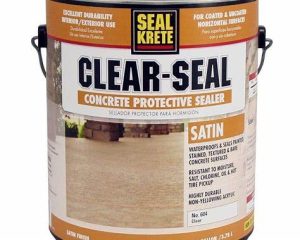
A+ Concrete Restoration offers waterproofing and sealing because they are among one of the most effective ways to prevent Florida-specific issues.
Benefits of proper waterproofing
- Rejects moisture penetration
- Reduces chances of spalling
- Protects rebar from corrosion
- Extends lifespan of coatings and overlays
- Helps surfaces resist UV damage
How often should you reseal?
In Florida, resealing is typically recommended every 2–3 years, depending on:
- Sun exposure
- Foot or vehicle traffic
- Proximity to saltwater
Concrete care tips by restoration type
1. Crack Repair
- Keep the repaired area clean and dry.
- Avoid heavy impacts for the first few weeks.
- Apply a protective sealer to reduce future expansion.
2. Spalling Repair
- Prevent moisture penetration—this is the #1 cause of recurring spalling.
- Check for new rust spots, especially near coastal areas.
3. Balcony Restoration
Balconies experience the most exposure to water and salt air.
- Ensure drains remain unblocked.
- Avoid standing water at all costs.
- Reseal more frequently (every 18–24 months).
4. Garage Surface Restoration
For garages, oils and chemicals are common hazards.
- Clean spills immediately.
- Avoid harsh degreasers.
- Consider adding a protective coating to resist tire marks.
5. Walkways & Common Areas
- Keep these areas free of debris to avoid abrasion.
- Avoid using metal shovels or scraping tools.
6. Concrete Coatings & Overlays
- Protect with UV-resistant sealers.
- Gentle cleaning preserves texture and sheen.
When to schedule a professional re-inspection
A professional look every few years helps identify issues invisible to the untrained eye. This is not a maintenance plan, but rather preventive care to protect your investment.
Consider scheduling an inspection if:
- You notice surface changes
- You live near the coast
- You recently had severe weather impact your property
- City codes require it
A+ Concrete Restoration can assess waterproofing, coating condition, structural concerns, and early signs of wear—helping you avoid large-scale repairs later.
Florida’s climate demands a proactive approach to concrete care. With the right cleaning practices, awareness of environmental stressors, proper sealing, and early detection of warning signs, you can significantly extend the lifespan of your restored concrete surfaces.
Whether your property features restored balconies, garage surfaces, walkways, or crack and spalling repair work, these suggested practices help protect your investment and keep your concrete looking its best.
If you ever need expert guidance or want your restored surfaces evaluated, A+ Concrete Restoration is here to help with reliable, Florida-proven solutions.